
By Dhiladhila Magazine · Issue 13
A port competes on how quickly it can move a steel box, and new cranes have just reset that clock.
For the importer waiting on a container, a port is less a place than a speed. When Namport inaugurated the new Walvis Bay container terminal in August 2019, the change that eventually reaches a shop shelf is mechanical: four new ship-to-shore cranes and a yard of rubber-tyred gantries that move a steel box faster than the reach-stackers they replace.
The headline capacity figure – a lift from about 350,000 to 750,000 twenty-foot equivalent units a year – is really a statement about machinery. The terminal that handed Namibia a high-end facility did so by installing the equipment that decides how quickly a ship is worked and a container released.
The machines that set the pace
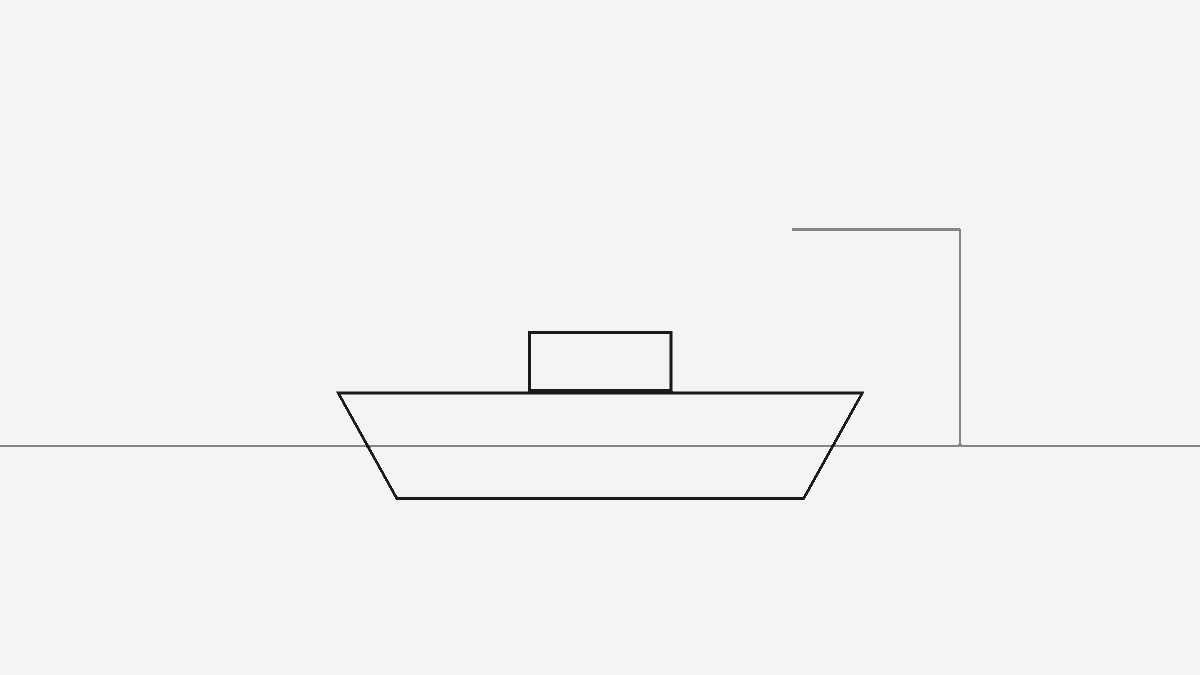
The four ship-to-shore cranes, built by China’s Zhenhua Port Machinery Company, can each work roughly 40 containers an hour off a vessel. That rate is the terminal’s real product. Behind them, rubber-tyred gantry cranes stack boxes in the yard more densely and retrieve them faster than the reach-stackers Namport used before, turning a flat lorry-park of steel into an organised, quick-access grid.
For a consumer market, crane speed is invisible until it fails. A slow berth means a ship waits, demurrage accrues, and the cost lands eventually on the price of imported goods. Faster cranes and tighter stacking compress that hidden tax, which is why the equipment list matters more to shoppers than the ribbon-cutting did.
The speed of a crane is a line item on every imported product’s final price.
Bigger ships, cheaper slots
The new berths – numbered nine, ten and eleven, two of them 600 metres long – are dimensioned to take container vessels of around 8,000 TEU, far larger than Walvis Bay could previously handle. Bigger ships carry cheaper slots per box, so the ability to receive them changes the economics of every container, not only the flagship arrivals.
That capability is a technology threshold as much as a physical one. A terminal that can work only small feeders buys its capacity second-hand from larger ports; one that can service an 8,000-TEU ship directly buys it wholesale. The berth length and the crane reach are, in effect, an entry ticket to a cheaper class of shipping.
The size of ship a port can work sets the price of the slots it sells.
The yard is a data problem
Modern container handling is as much software as steel. Sorting thousands of boxes so the right one surfaces at the right moment is a scheduling task, and the yard’s gantry cranes and paved, addressed stacks are the hardware a terminal operating system needs to function. The machinery buys the option; an information system realises it.
Namport’s own path shows the direction of travel. Moving from reach-stackers to gantry cranes is a shift from manual, memory-based yard work toward operations that can be planned and measured. Whether the terminal extracts its full 750,000-TEU design capacity will depend less on the cranes than on how well the yard behind them is orchestrated.
Cranes lift the ceiling; only disciplined yard software reaches it.
What faster clearance means downstream
For a Namibian retailer or manufacturer importing parts, the promise is shorter, steadier dwell times: the gap between a ship arriving and a container leaving the gate. Predictability is worth as much as raw speed, because a business can plan around a reliable three days but not around an uncertain span of one to seven.
The risk is that the machinery outruns the rest of the chain. Cranes that clear a ship in hours help little if customs, road haulage or rail then stall the box inland. The terminal has upgraded one link; the shopper’s benefit depends on the links on either side keeping pace with the quay.
A fast quay only pays the shopper if the road and the border keep up.
For an importer, wholesaler or manufacturer weighing where to route goods, the 2019 signal from Walvis Bay is that the port has bought the hardware for speed. The decision now is whether to build inventory and supply plans around the faster terminal, or wait until the customs desks, rail sidings and haulage behind it prove they can move a box as quickly as the cranes now can.
Sources: The Namibian; Port of Walvis Bay new container terminal (Ship Technology); Cargo handling – Walvis Bay (Namport)