By Dhiladhila Magazine · Issue 12
Procurement, standards, certification, skills – the conference named the gaps between Namibian firms and the work offshore.
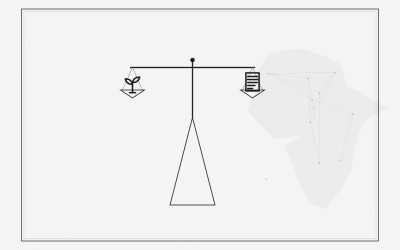
Read as a single document, the Namibia Oil and Gas Conference of August 2024 was less a celebration of offshore discoveries than a list of the things standing between Namibian businesses and the work those discoveries will create. Across three days in Windhoek, four words kept surfacing: procurement, standards, certification and skills. Each names a gap, and together they map the distance a local firm must cross to sell to the sector.
The organisers were direct that the point was participation. The investment board framed the expanding industry as a source of demand for local micro, small and medium enterprises, and ran a masterclass on doing business in the upstream value chain. That is the through-line of the whole event: the opportunity is real, and it is gated.
Procurement: demand looking for suppliers
The first theme was procurement itself – the plain fact that an oil and gas sector buys constantly, from drilling support to catering to office services, and does so from the first exploration well onward. The conference put the horizon at about six years of exploration and some twenty-five years of production, a long runway of purchasing that begins before any revenue.
The gap is matching that demand to Namibian supply. Firms were encouraged to partner rather than compete in isolation, and to treat visibility at a gathering like this as the start of a procurement relationship rather than the end of one. Delegates from established service companies made the same point from the buyer’s side, noting that being present and known at industry events is often what puts a local firm in line for future work.
Procurement is the demand; the conference’s task was to point it at local firms.
Standards: the bar set elsewhere
The second theme was standards. International operators buy to specifications written for a global industry, and a Namibian supplier meets those or does not sell. The Economic Association called for a national supplier database built around the standards oil companies already apply, so that local firms know the bar and buyers can find those who clear it.
Standards are where enthusiasm meets reality. A capable firm that cannot document its compliance is, to an operator’s procurement desk, an unproven one, and the coast’s existing yards and caterers will be measured against benchmarks set far from Namibia.
The standard is not negotiable; being registered against it is how a local firm becomes visible.
Certification: the paperwork that opens doors
Certification was the third recurring word, and the practical form standards take. Whether for safety, quality or environmental management, a certificate is the token that lets a firm onto an approved vendor list. It is also a cost, and one a small business carries before it has earned a cent from the sector.
That sequencing is the difficulty. Certification has to come before the contract, which means local firms must invest in credentials on the expectation of work rather than the fact of it – a gamble that policy and finance could ease but had not yet eased in 2024.
Certification is the ticket, and local firms must buy it before the show begins.
Skills: capability behind the credential
The fourth theme was skills – the human capability the sector needs and the country is still building. Speakers stressed capacity building for SMEs in business management and logistics as much as in technical trades, on the understanding that a firm must be able to run itself before it can serve an operator. The conference treated skills as an enterprise question, not only a technical one.
This is the slowest gap to close and among the most consequential. Registers and certificates can be created in months; a depth of skilled operators, managers and tradespeople is the work of years, and it decides how much of the sector Namibians actually run. A firm can be handed a contract it lacks the people to deliver, which is why the conference paired talk of opportunity with a sober emphasis on building capability first.
Skills are the gap that cannot be legislated shut – only trained shut over time.
Policy: the frame still being drawn
Behind all four sat policy. The local content framework and its regulations were still unfinished in August 2024, and industry pressed for their completion so that operators and suppliers alike would know the rules of the game. Without a finalised policy, local participation rested on encouragement rather than obligation.
That is the honest state of the promise. The demand is coming, the gaps are named, and the instrument meant to bind operators to local sourcing was, at the time of the conference, still a draft awaiting the government’s hand. Until it is signed and gazetted, an operator can favour local suppliers or not, and the difference between a policy request and a legal duty is the difference between a coast that participates and one that merely watches.
The policy that would turn goodwill into procurement was, in 2024, still being written.
For a Namibian business owner reading the 2024 conference, the message is neither hype nor discouragement but a checklist: get registered, get certified, and build the management skills and the partnerships now, because procurement will begin with exploration and will not wait for production. For the state, the event framed a single decision – finish the supplier database and the local content rules – because every gap the conference named is one the country can close on purpose, or leave open by default.
Sources: The Namibian; Namibia Oil and Gas Conference – programme; Namibia Oil and Gas Conference – official site; The rapid boom: Namibia’s oil and gas sector takes shape (Namibian Mining News)