
By Dhiladhila Magazine · Issue 08
A stall reaches the people who walk past it. A phone and a platform reach the ones who never do.
The gender ministry framed its February 2026 update on 1,485 women as a skills story, and one of those skills is easy to underrate. Alongside the financial training, EntreprenHER teaches digital literacy, and for a micro-entrepreneur that is not a gadget but a market: the difference between selling to whoever passes the table and selling to a customer who never comes near it. The ministry set the digital component beside market access for a reason – the two are the same problem seen from either end.
For a woman running a cosmetics line or a textile business, reach has always been capped by geography. Digital skills lift that cap, letting a small producer show her goods, take an order and hold a customer without a shopfront she could never afford.
The limit of a physical stall
A stall or a table sells to footfall and nothing more. However good the product, the market is whoever happens to walk past on the day, which keeps prices low and volumes thin. For the women in the programme, working in cosmetics, textiles and the creative trades, that ceiling has been the real constraint, not the quality of what they make.
Digital reach removes the geography. A photograph, a price and a way to order turn a local maker into a supplier a customer three regions away can find, and the sale no longer depends on the buyer standing in front of the goods.
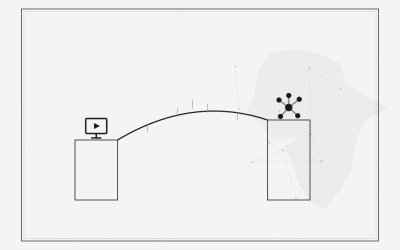
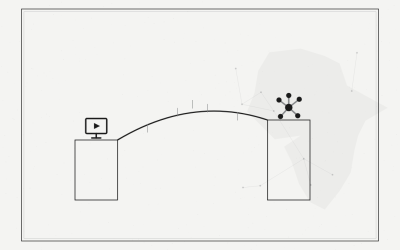
A physical stall sells to the pavement; a digital one sells to the country.
Digital literacy as a market, not a gadget
The programme’s Phase III added digital literacy skills to its training deliberately, treating the phone as a sales channel rather than a novelty. The same curriculum that covers pricing, stock control and marketing now extends to putting those basics online, so a woman prices, lists and promotes in one connected motion.
That framing matters because digital training often fails when it teaches software instead of selling. EntreprenHER’s version is anchored to the transaction: the skill is judged by whether it moves goods, not by whether a woman can operate an app.
Digital literacy earns its place only when it ends in a sale, not a screenshot.
The platform behind the phone
Skills need somewhere to land, which is where UN Women’s Buy From Women platform enters. It links women producers to markets, information and finance, gives each a digital profile and lets buyers find and order from sellers they would never meet in person. For a Namibian micro-enterprise, that is a storefront and a customer list without the rent.
The platform also carries the less visible parts of selling online – the record of who bought what, and the networking between sellers that turns isolated stalls into a group with shared reach. Availability in several countries means a Namibian seller sits on the same rails as peers across the region.
The business-improvement groups reinforce this. By clustering roughly sixty women in Namibia into networks for joint marketing and shared learning, the programme lets members pool the work of an online presence that any one of them would struggle to sustain alone. A group can keep a page active, answer buyers and fill a larger order in a way a single overstretched owner rarely can.
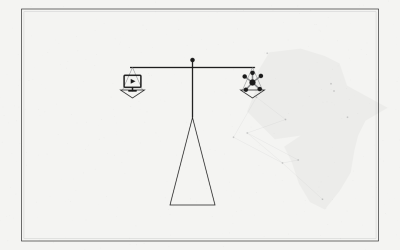
A phone is a shop window only when a platform stands behind it.
The marketing discipline
Reach without discipline is noise. The training pairs digital channels with the unglamorous marketing basics – consistent pricing, reliable stock and a clear offer – because a customer won online is lost fast by a listing that misprices or a shelf that runs empty. Online selling raises the cost of sloppiness as much as it raises the ceiling on sales.
The risk is that digital reach outruns fulfilment. A woman who attracts orders she cannot pack, price or deliver has widened her market only to disappoint it, which is why the programme keeps the operational training beside the digital.
The internet finds the customer; only the basics keep her.
For a retailer, a platform operator or a marketer, the signal in EntreprenHER’s digital push is where Namibian consumer commerce is heading: small women-led producers reaching buyers directly, priced and promoted online, served through shared platforms rather than shopfronts. The decision is whether to build the channels, logistics and payment tools these sellers now need, or to leave a growing base of digital-ready micro-enterprises reaching for customers they can find but cannot yet serve.
Sources: The Namibian – gender ministry empowers 1,485 women through skills; EntreprenHER digital literacy and BuyFromWomen (UN Women Africa); Buy From Women platform (UN Women)