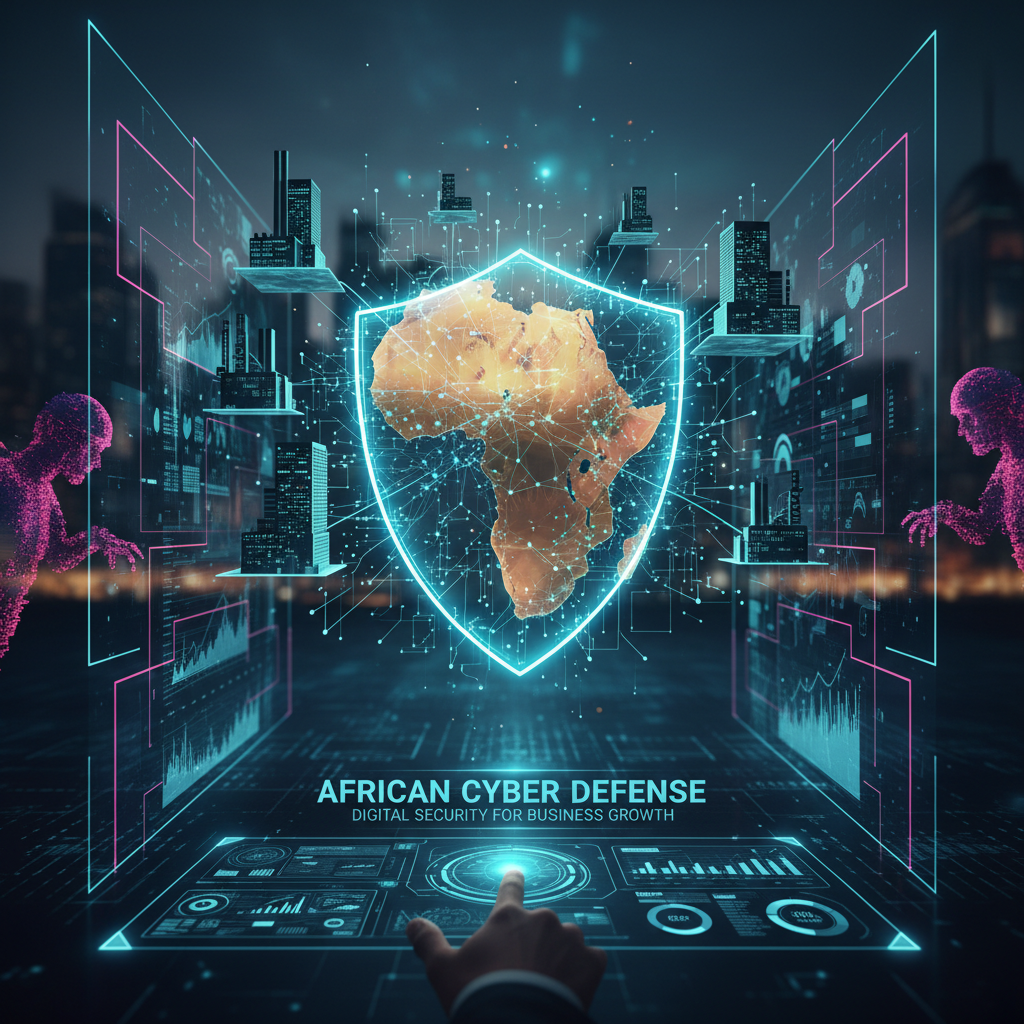
As businesses across Southern Africa embrace digital transformation, cybersecurity has become a critical component of their operations. From safeguarding sensitive data to protecting financial systems, robust cybersecurity measures are essential for fostering trust, ensuring business continuity, and maintaining competitive advantage. This article explores the evolving role of cybersecurity in shaping the future of businesses in the region and highlights strategies for building resilience in an increasingly digital world.
The Rising Importance of Cybersecurity
The growing adoption of digital tools, cloud computing, and e-commerce platforms has transformed how businesses operate in Southern Africa. However, this digital revolution comes with risks, including cyberattacks, data breaches, and ransomware incidents. These threats can disrupt operations, damage reputations, and result in significant financial losses.
For example, a study by Kaspersky revealed that African businesses are increasingly targeted by phishing and malware attacks. The financial sector, in particular, has been a prime target due to its reliance on digital transactions. As such, cybersecurity is no longer optional—it is a strategic imperative for businesses of all sizes.
Key Cybersecurity Challenges for Southern African Businesses
1. Limited Awareness and Training
Many businesses, especially SMEs, lack awareness of cybersecurity risks and best practices. Employees often unknowingly expose organizations to threats through actions like clicking on phishing emails or using weak passwords. Investing in cybersecurity training is essential for creating a culture of vigilance and preparedness.
2. Infrastructure Vulnerabilities
Outdated systems and inadequate IT infrastructure increase susceptibility to cyberattacks. Businesses must regularly update software and hardware to mitigate vulnerabilities and ensure compatibility with the latest security protocols.
3. Regulatory Compliance
Governments in Southern Africa are introducing data protection laws, such as South Africa’s Protection of Personal Information Act (POPIA). Businesses must navigate these regulations to avoid penalties and maintain customer trust, making compliance a top priority.
Strategies for Strengthening Cybersecurity
1. Adopt a Proactive Approach
Proactive cybersecurity measures, such as risk assessments and penetration testing, help businesses identify vulnerabilities before attackers exploit them. Regular audits and monitoring ensure that systems remain secure and compliant.
2. Implement Multi-Layered Security
Businesses should adopt a multi-layered approach to cybersecurity, combining firewalls, encryption, intrusion detection systems, and endpoint protection. This layered defense reduces the likelihood of breaches and minimizes damage if an attack occurs.
3. Invest in Employee Training
Employees are often the first line of defense against cyber threats. Regular training on identifying phishing attempts, using strong passwords, and reporting suspicious activities can significantly reduce risks.
4. Leverage Cybersecurity Technologies
Artificial intelligence and machine learning tools are transforming cybersecurity by enabling real-time threat detection and automated responses. For example, AI-powered systems can identify unusual patterns in network traffic and block potential threats.
5. Collaborate with Experts
Partnering with cybersecurity firms or managed service providers ensures access to specialized expertise. These partnerships help businesses stay ahead of evolving threats and implement best-in-class security measures.
The Role of Cybersecurity in Building Trust
Strong cybersecurity practices enhance customer and partner trust, which is vital for business success. Organizations that prioritize data protection and transparency demonstrate their commitment to safeguarding sensitive information. This trust is particularly crucial for sectors like e-commerce, healthcare, and finance, where data breaches can have severe consequences.
The Future of Cybersecurity in Southern Africa
As cyber threats become more sophisticated, the demand for skilled cybersecurity professionals will continue to rise. Governments, educational institutions, and private sector players must collaborate to develop training programs and certifications that equip individuals with the necessary skills.
Additionally, businesses should embrace emerging technologies like blockchain and quantum computing to strengthen security frameworks. These innovations have the potential to revolutionize data protection and make systems more resilient to attacks.
Conclusion: Securing the Digital Frontier
Cybersecurity is shaping the future of business in Southern Africa by enabling organizations to embrace digital transformation with confidence. By addressing challenges, adopting proactive strategies, and investing in technology and training, businesses can build resilience against evolving threats. In doing so, they not only protect their operations but also contribute to a safer and more secure digital economy.
 WhatsApp for a Google-Ready Website


From Visibility to Market Leadership: How African Businesses Can Build Scalable Digital Growth
The Digital Marketing Challenge for African Businesses In today’s African business landscape, many organisations struggle to turn digital presence into real growth. Too often, online efforts are fragmented: social media posts go out sporadically, paid ads operate in...