By Dhiladhila Magazine · Issue 06
Local films normally reach viewers one scattered upload at a time. A single free hub is how a crowd gets assembled.
When Collective Productions pulled Namibia’s scattered short films onto a single Facebook event in April 2020, it was doing more than giving housebound viewers something to watch. It was doing the harder commercial work of drawing a dispersed local-film audience into one place, at one time, where it could finally be seen.
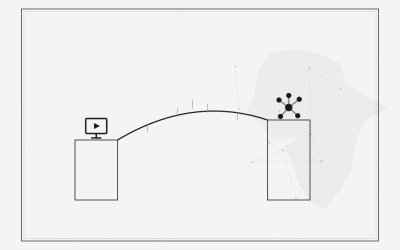
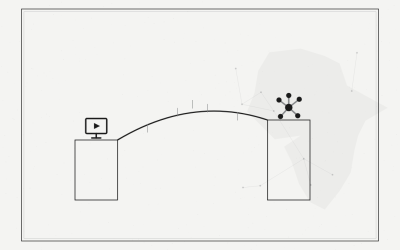
That aggregation is the quiet marketing story of the lockdown-cinema initiative. Namibian titles usually sit alone on separate YouTube, Vimeo and Facebook pages, each reaching whoever happens to find it; the initiative’s offer was to put the local catalogue in one place and, in doing so, gather a crowd no single film could pull on its own.
Aggregation is the audience play
A short film sitting on its own page reaches only the viewers who already know to look for it. Put a dozen of those titles behind one event listing, refreshed daily, and the attention that each would have earned alone starts to pool into a single, visible audience. For a sponsor or a distributor, the value has always been in the gathered crowd rather than any one clip.
The free model widens the mouth of that funnel deliberately. With no paywall and no subscription, the largest possible number of viewers can walk in, which is precisely the condition a brand seeking reach would want to sit beside. Access, not price, is the point of the exercise.
The films were always there; what the initiative added was a place for their audiences to meet.
A crowd defined by its taste for local
The viewers who choose to watch Oshoveli Shipoh’s horror short Resentment or Joel Haikali’s Differences are selecting themselves as Namibians interested in Namibian storytelling. That is a far cleaner target than a mass imported feed, because the audience is defined by cultural engagement rather than idle channel-surfing.
For a domestic advertiser that specificity is the whole appeal. A crowd assembled around local film is made of exactly the people most local brands are trying to reach, and it has raised its hand by turning up for home-grown work rather than foreign content.
Local content does not just gather an audience – it gathers one that has already chosen local.
A constrained moment turned favourable
The timing did the initiative a favour it did not create. With the March lockdown closing cinemas and gathering places, attention concentrated at home and online, and a housebound public had both the time and the appetite for something to watch. The initiative met that moment with free local content instead of a locked door.
Read as marketing, this is demand capture at a rare instant of undivided attention. A captive audience is the condition every advertiser wants and almost never gets, and the lockdown briefly supplied it to whoever had content ready to serve.
What the moment did not supply was measurement. A Facebook event can show interest and comments, but it does not yet count viewers the way a broadcaster or a streaming service can, and unmeasured attention is hard to price. The commercial gap the initiative exposes is not the size of the crowd but the tools to prove it.
The lockdown handed local film a captive audience; the sector still lacked the means to count it.
What the model still has to prove
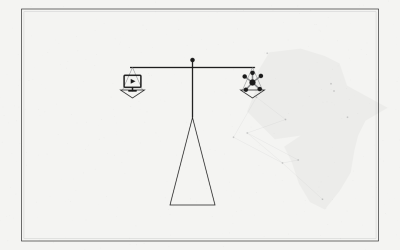
Aggregation gathers a crowd, but a free Facebook listing does not by itself turn that crowd into a sellable audience. The commercial task that remains is converting daily attention into countable, describable viewership that a sponsor could actually buy against.
The risk is that the initiative stays a goodwill gesture – useful, generous and unpriced. A hub that assembles the country’s film audience without ever measuring or monetising it has proved the demand exists while leaving the revenue on the table.
The audience is real; whether anyone learns to sell it is the open question.
For a brand, a media buyer or a would-be local distributor, the lockdown-cinema initiative is a signal about where Namibian film audiences can actually be reached: gathered, engaged and free, inside a single hub of home-grown content. The decision it puts on the table is whether to help build the measurement and sponsorship around that crowd now, while it is assembling itself for nothing, or wait until someone else learns to count and sell it first.
Sources: The Namibian; Impact of the COVID-19 pandemic on cinema (Wikipedia); Cinema of Namibia (Wikipedia)