
By Dhiladhila Magazine · Issue 10
International arrivals collapsed with the pandemic. Namibia is asking its own residents to hold the floor.
When global travel froze in 2020, small tourism economies learned an uncomfortable lesson: an industry built on foreign arrivals has no cushion when the aircraft stop. In September 2021 the Namibia Tourism Board answered that exposure by turning inward, launching a domestic campaign to persuade residents to carry the sector through its worst stretch until international visitors returned.
The logic is defensive before it is ambitious. Namibian tourism was never large by headcount, but it was heavy by value, and the collapse in overseas arrivals removed a slice of national income that few other sectors could replace. Domestic demand is not a substitute for that income; it is a floor beneath it.
A small population against a large dependency
The arithmetic is stark. Before the pandemic, travel and tourism were projected to add value on the order of N$26.4 billion, roughly US$1.8 billion, to the Namibian economy, close to a ninth of gross domestic product, and to support well over 120,000 jobs. Almost all of that rested on visitors flying in from Europe and neighbouring markets, not on the roughly two and a half million Namibians themselves.
That concentration is the vulnerability the campaign confronts. A sector this reliant on foreign arrivals converts a global shock into a domestic one almost instantly, and no amount of local marketing can fully close a gap that international in scale.
Namibia priced its tourism to the world, then discovered how little of it the country buys itself.
The regional pattern the campaign fits
Namibia is not improvising alone. Across Southern Africa, tourism boards spent 2020 and 2021 redirecting attention to residents and to nearby markets, because domestic and regional demand recovers before long-haul travel does. A campaign aimed at Namibians, and by extension at drive-in visitors from the region, follows the same recovery sequence seen from Cape Town to Victoria Falls.
The regional read matters because Namibia competes with those neighbours for the same returning traveller. Building a domestic habit now is partly insurance against a slow international rebound and partly practice for the regional market that returns next.
The first tourists back are the ones who never needed a passport or a long-haul seat.
Employment is the number that concentrates minds
Value added is abstract; jobs are not. Travel and tourism accounted for a large share of national employment before the pandemic, and the sector shed a heavy portion of that workforce as arrivals fell through 2020. Guides, lodge staff, drivers and cooks do not relocate to another export overnight, which is why holding even partial occupancy through domestic trade has a real labour dividend.
This is the campaign’s clearest economic case. Domestic spending will not restore the wage bill of a full international season, but every occupied bed and booked tour keeps a worker attached to the sector rather than lost from it.
A cushioned decline keeps the workforce; an uncushioned one scatters it.
What a floor can and cannot do
Realism is the honest register here. Domestic visitors spend less per head, stay closer to home and cannot fill the high-value lodges built for overseas guests. The board is not claiming residents will replace foreign revenue; it is arguing they can slow the bleed, keep operators solvent and preserve the assets and skills that international recovery will need.
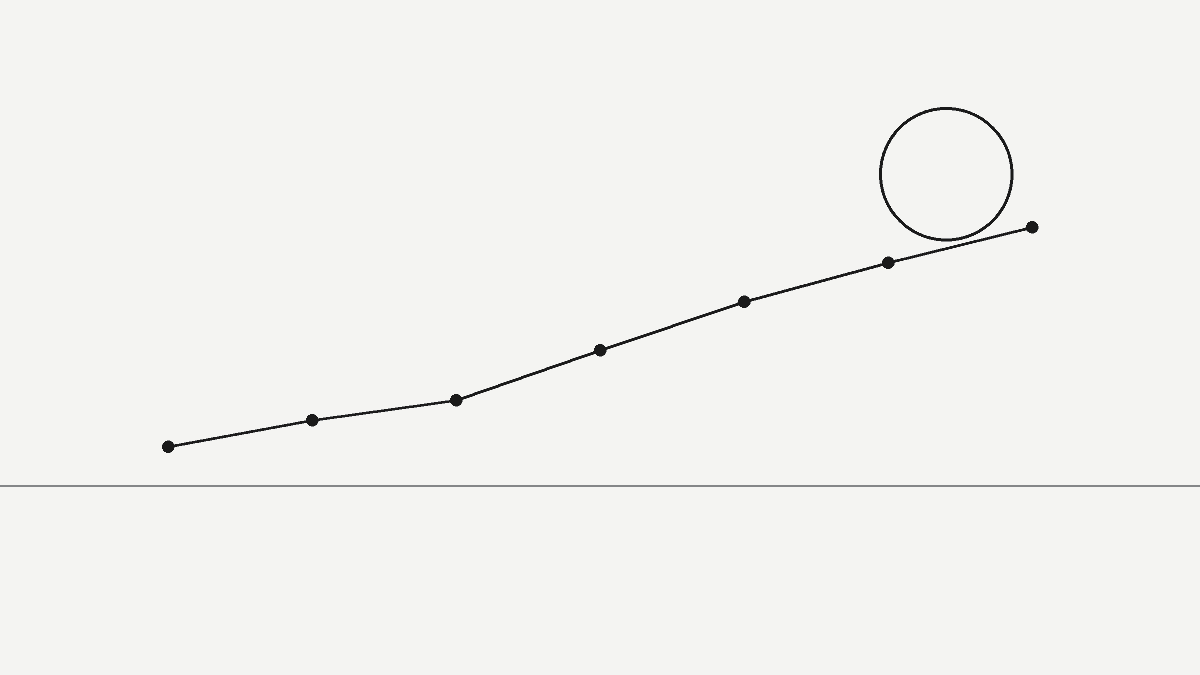
Read as macroeconomics, the campaign is a stabiliser rather than a growth engine. It converts a captive domestic market into a shock absorber for a sector too important to let fail and too foreign-dependent to save on its own.
The goal is not to grow the sector this year but to keep it alive to grow later.
For a policymaker or an investor weighing Namibia’s recovery, the September 2021 signal is that domestic tourism is a defensive asset, not an offensive one. The decision it frames is whether to keep funding a resident-facing floor through the lean season, or to gamble that international arrivals rebound fast enough to make the cushion unnecessary.
Sources: The Namibian; Namibia Travel & Tourism Economic Impact (WTTC); Share of jobs in Namibia’s tourism sector (Statista)