
By Dhiladhila Magazine · Issue 08
Nearly nine in ten visitors still come to look at Namibia. The energy boom asks its travel brands to sell to the ten who come to work.
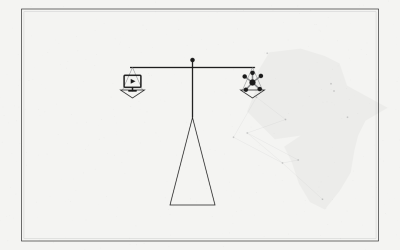
In May 2023, roughly nine in ten visitors to Namibia still arrived to look at the country rather than to work in it, yet the marketing conversation had begun to shift. As green-hydrogen and critical-mineral money moved in, the airlines, hotels and destination marketers built for a leisure economy found themselves selling to a smaller, harder-nosed guest who books by the meeting, not by the season. The data behind the occupancy recovery shows why the shift matters: business visitors were nearly a tenth of the market, and they behave nothing like the tourist.
The numbers set the frame. National occupancy reached 50.8% in May, up from 39.4% a year earlier, with leisure travel still above 85% of the total and conference delegates under one percent. For a travel brand, the question is no longer only how to fill a lodge in peak season, but how to be visible to an engineer flying in to Luderitz on a Tuesday and out again on a Thursday.
A leisure brand meets a working guest
Namibia’s tourism marketing has been organised for decades around scenery, silence and space – the dune, the desert-adapted elephant, the empty road. That brand sells a holiday. The energy traveller buys none of it. He or she wants a reliable bed near a project site, a working connection, an early breakfast and a flight that leaves on time, and will pay a corporate rate for all four without ever seeing a dune.
The mismatch is not fatal, but it is real. A brand built to romance the wilderness now has to speak, in the same breath, to a procurement officer comparing nightly rates. The providers that manage both are selling two products from one destination: the country as an experience, and the country as a place to get work done.
The dune sells the holiday; punctuality and connectivity sell the working trip.
The airline that reads a balance sheet
FlyNamibia has already read the shift. In 2023 the carrier raised its weekly Windhoek-Oranjemund service from three flights to five, a move made possible not by leisure demand but by corporate backing from Debmarine Namibia, Shell Namibia and Westair Aviation, whose staff needed the seats. The route is, in effect, a business-to-business product wearing a passenger airline’s colours.
That is a marketing lesson in miniature. The airline did not advertise its way to the extra frequency; it partnered with the companies whose people fill the cabin, and priced a schedule around their working week. For any travel brand chasing the energy segment, the buyer to court is often the employer, not the traveller.
The energy traveller’s ticket is frequently bought by a logo, not a leisure budget.
Marketing to a different buyer
The destination brand faces the same reframing. Namibia’s tourism promotion, carried through the Namibia Tourism Board and its visitnamibia channels, has long spoken to the European holidaymaker who supplies more than half of arrivals. The investor delegation from Rotterdam or Tokyo reads none of that material; it arrives through a project office, a chamber or an embassy, and judges the country on whether a two-day site visit runs smoothly.
Reaching that buyer means placing Namibia where business decisions are made – trade forums, sector conferences, investor briefings – rather than only in the travel press. The spend that lands a leisure guest and the spend that lands a delegation are different budgets aimed at different rooms.
The holidaymaker reads the travel brochure; the investor never opens it.
The small segment worth the spend
It would be easy to dismiss a group that is under a tenth of arrivals. That would misread the economics. Business and conference travellers spend more per night, book off-season, fill mid-week beds that leisure never touches, and return in cohorts as a project moves from exploration to construction. A single green-hydrogen or minerals programme can underwrite years of steady, unglamorous room-nights.
The risk is over-building a brand around a segment that is still small and still speculative. Not every announced project will arrive, and a hotel that reorients entirely toward hard hats may lose the leisure guest who actually pays the bills today. The sober play is to add the business traveller, not to bet the brand on him.
The energy guest is a supplement to the leisure brand, not yet a replacement for it.
For a hotelier, an airline or a destination marketer, the 2023 signal is that Namibia now has two travellers to sell to, and they answer to different messages, budgets and calendars. The decision is whether to build a distinct business-travel proposition – corporate rates, mid-week reliability, a presence at the forums where projects are planned – or to keep marketing one country to one kind of visitor and watch the energy segment book somewhere more deliberate.
Sources: The Namibian; Local airline increases Oranjemund frequencies (Namibia Economist); Namibia Tourism Board