
By Dhiladhila Magazine · Issue 05
The facility teaches marketing before it lends. In a country where most people are already online, that sequence is the sensible one.
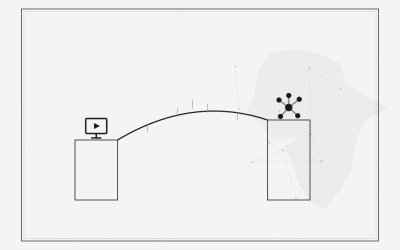
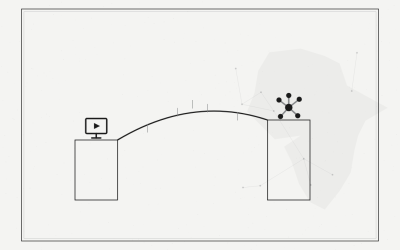
The most easily overlooked feature of the NextGen Facility is where its training happens. Before any loan is approved, a young founder must finish a two-month online incubation that covers business plans, marketing strategies and financial management. The programme is delivered on the same channels its graduates will later sell through, which is a design choice worth reading closely.
It also lands in a market that is already digital. By January 2024 Namibia had about 1.63 million internet users, an internet penetration rate near 62 percent, and roughly 704,000 active social media identities. An online-first incubation is not a compromise forced by cost; it meets young founders and their customers where both already spend their time.
Teaching the channel on the channel
Running the incubation online does more than save on venues. It rehearses the skill it teaches: a founder who learns to plan and pitch through a screen is practising the exact medium through which most first customers will be won. The marketing-strategy module is not an abstraction when the classroom itself is a demonstration of digital reach.
That alignment matters for a first venture with no advertising budget. The cheapest customer a young business can win is one reached through a phone, and a programme built online quietly normalises that as the default rather than an afterthought.
An online course teaches its own lesson – the market is reached through a screen.
Where Namibian customers actually are
The platforms a graduate will use are well established. Facebook remains the most widely used social network in Namibia, Instagram carries visually driven trades such as hospitality, retail and tourism, and many customers prefer to enquire over WhatsApp rather than by email or a web form. TikTok is growing quickly and still under-used by local businesses, which leaves early movers an opening.
For a young founder, this is a map of cheap attention. Knowing that a WhatsApp Business line converts enquiries, or that a modest Facebook budget of a few hundred Namibia dollars a month can move product, is more immediately useful than any brand theory.
The customer is on Facebook and WhatsApp; the marketing module should start there.
Marketing as the first repayment engine
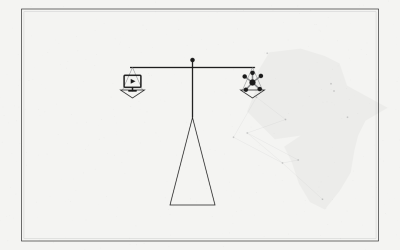
For a loan that must be repaid over three years, marketing is not decoration – it is the mechanism that generates the cash to repay. This reframes the incubation module. Teaching a founder to build an audience, post consistently and answer messages promptly is teaching them how to service the debt the facility is about to extend.
That is the sober case for putting marketing beside financial management in the same programme. A venture that cannot find customers cannot repay, so the digital-marketing skill and the loan performance are two ends of one string.
A founder who cannot market cannot repay – the two lessons belong together.
The reach an online model buys
An online incubation also widens who can take part. A young person in a smaller town does not have to travel to the capital for a two-month course, which matters in a country where mobile connections run well above the population and physical distance is a real cost. The channel that teaches the class is the same one that shrinks the map.
The risk is uneven connectivity and data cost, which can still shut some applicants out. An online-first design reaches further than a room in Windhoek, but it is not the same as reaching everyone, and the facility will have to watch who its format leaves behind.
Online delivery stretches the reach; data cost decides how far it truly stretches.
For any brand-builder, marketer or platform selling to Namibia, the NextGen incubation is a signal about where the next cohort of small businesses will be born: online, phone-first, and taught to sell before they are funded. The decision for a marketing partner or platform is whether to meet these founders at the incubation stage, when their channel habits are being set, rather than competing for them once they are already trading.
Sources: The Namibian; How to use social media to grow your business in Namibia (Lekker Digital); Digital 2024: Namibia (DataReportal)