Climate change is one of the most pressing challenges facing farmers globally, and Southern Africa is no exception. The region’s agriculture sector is vulnerable to unpredictable weather patterns, rising temperatures, and water scarcity. To adapt to these challenges, farmers must adopt sustainable practices that ensure productivity while preserving the environment.
This article outlines actionable strategies for sustainable farming in Southern Africa, focusing on techniques that mitigate climate change impacts and promote long-term agricultural resilience.
The Need for Climate-Smart Agriculture
Southern Africa’s agriculture sector is heavily dependent on rain-fed farming, making it particularly susceptible to climate variability. Droughts, floods, and heatwaves have disrupted agricultural production, threatening food security and livelihoods. Climate-smart agriculture (CSA) offers a solution by integrating sustainable practices with innovative technologies to build resilience against these challenges.
Key Sustainable Farming Practices
1. Conservation Agriculture
Conservation agriculture (CA) involves minimal soil disturbance, permanent soil cover, and crop rotation. These practices improve soil fertility, reduce erosion, and enhance water retention, making farms more resilient to extreme weather conditions. CA techniques have been successfully implemented in South Africa, with support from organizations like the Department of Agriculture, Land Reform, and Rural Development.
2. Rainwater Harvesting
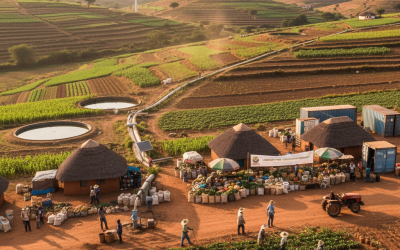
Water scarcity is a significant challenge in Southern Africa. Rainwater harvesting systems help farmers capture and store water for irrigation during dry periods. Simple techniques such as constructing catchment tanks or using contour farming can make a significant difference in water availability.
3. Agroforestry
Integrating trees and shrubs into agricultural systems provides multiple benefits, including improved soil health, reduced wind erosion, and enhanced carbon sequestration. Agroforestry also diversifies income sources by producing timber, fruit, and medicinal plants.
4. Crop Diversification
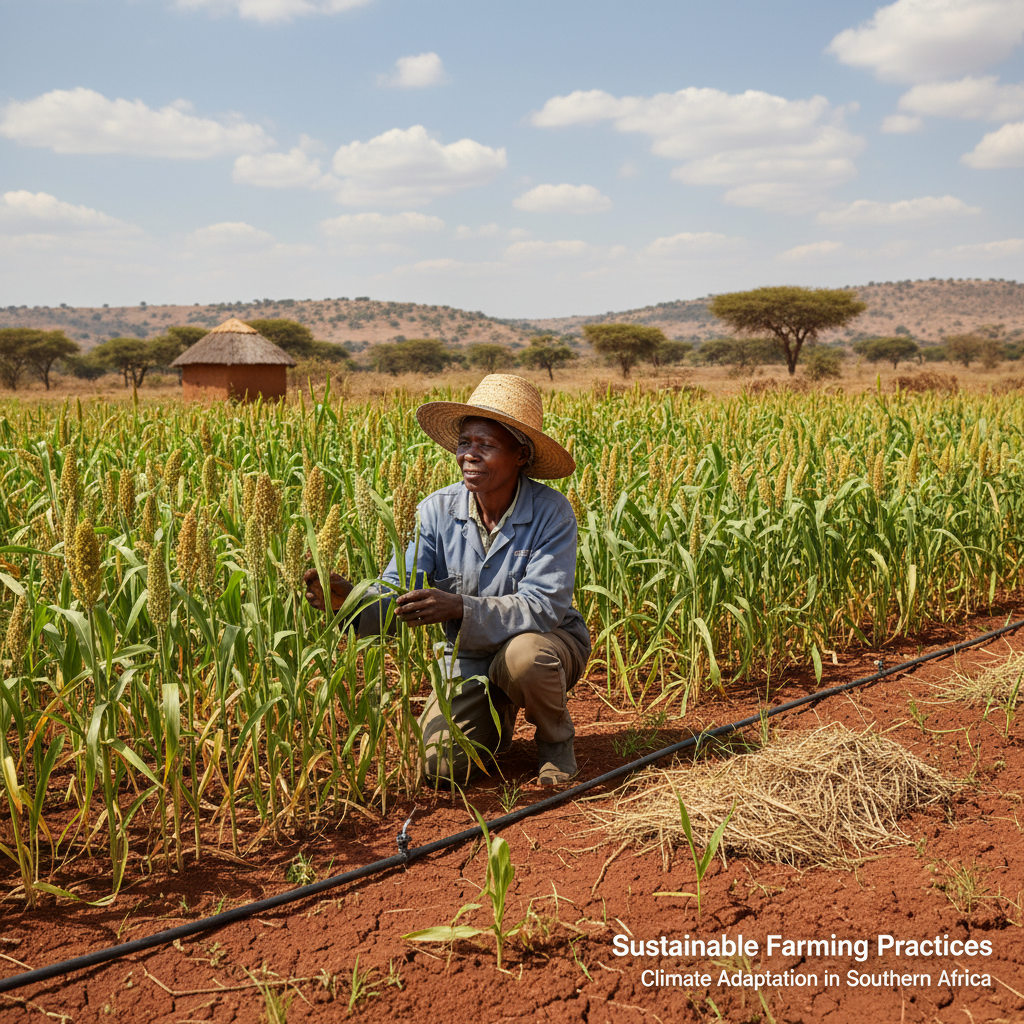
Planting a variety of crops reduces the risk of total crop failure during adverse weather conditions. Farmers should focus on drought-resistant and indigenous crops, which are better adapted to local climates. Examples include sorghum, millet, and cowpeas.
5. Integrated Pest Management (IPM)
IPM combines biological, cultural, and mechanical methods to manage pests sustainably. This reduces reliance on chemical pesticides, which can harm the environment and disrupt ecosystems. Farmers can use natural predators or companion planting techniques to control pests effectively.
Overcoming Challenges in Sustainable Farming
High Initial Costs
Implementing sustainable practices often requires upfront investment in equipment, training, and infrastructure. Farmers can access government grants, microfinance, and community funding programs to offset these costs.
Lack of Awareness
Many farmers are unaware of sustainable farming practices and their benefits. Agricultural extension services and NGOs play a critical role in educating farmers and providing technical support.
Limited Market Access
Sustainably produced crops often face challenges in reaching premium markets. Farmers should collaborate with cooperatives and certification bodies to gain access to local and international markets.
The Role of Technology in Sustainable Farming
Agri-tech solutions such as weather forecasting apps, soil health monitoring systems, and precision farming tools can enhance the effectiveness of sustainable practices. In South Africa, initiatives like the Agricultural Research Council’s (ARC) Climate-Smart Agriculture program provide farmers with valuable resources and training to adopt these technologies.
Building a Sustainable Future
Sustainable farming is not just a necessity for adapting to climate change; it is also a pathway to achieving food security and environmental preservation. By adopting these practices, Southern African farmers can build resilience, improve livelihoods, and contribute to a healthier planet.
 WhatsApp for a Google-Ready Website

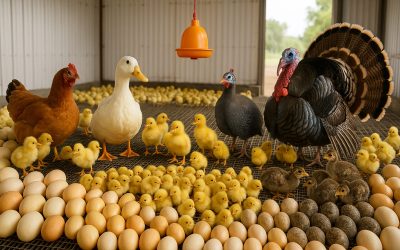
From Egg to Market: The Business Timelines of Southern Africa’s Poultry Sector
For the poultry farmer, the clock starts not when the bird leaves the shell, but when the egg first feels the warmth of incubation. The length of that journey - 16 days for a quail, 46 days for an ostrich - can determine how quickly capital returns, how often the...