
By Dhiladhila Magazine · Issue 08
A funded factory makes the product. It does not make the shopper reach for it instead of the South African brand.
Eos Capital’s N$500 million (about US$30 million) Euphrates Agri Fund is described as a production story: money for processing plants, logistics and retail supply. The quieter problem it inherits sits past the factory gate, in the aisle, where a Namibian shopper still tends to reach for the familiar South African brand. When Eos launched the fund, it financed supply; demand is a separate build.
That gap is a marketing question before it is an agricultural one. Namibia imports a large share of its food from South Africa, and those imports arrive with decades of brand recognition that local products have to earn from scratch.
Production is only half the market
An agro-processing investment produces tomato sauce, juice or packaged vegetables, but shelf space and shopper preference are not included in the plant. South African brands hold both, backed by advertising budgets and a familiarity Namibian consumers grew up with. A new local label starts unknown, and being local is not by itself a reason to buy.
This is where the fund’s retail and processing bets meet their real test. The margin Eos is chasing depends on someone choosing the Namibian product at the same price or higher, which is a demand that has to be manufactured as deliberately as the product itself.
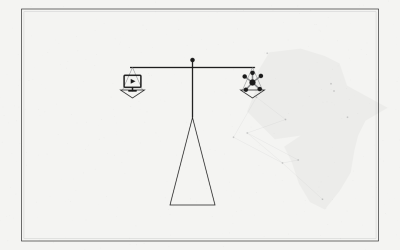
A funded factory makes supply; only marketing makes a customer.
Where Namibian attention has moved
The channel for that persuasion has shifted. Namibian consumers, especially younger urban ones, spend growing hours on mobile and social platforms, where a small local brand can reach an audience without the television budget a multinational commands. Digital and social marketing lower the entry cost of building recognition, which suits a start-up food label.
The catch is that low cost is not the same as easy. Social channels reward consistency, story and identity, and a processor set up to run a production line is rarely staffed to run a content calendar. The skill the fund’s companies will lack is not agronomy; it is audience.
The cheapest route to the Namibian shopper now runs through a phone, not a billboard.
Provenance as the pitch
Local origin can be an advantage if it is marketed as one. A grown-in-Namibia story, told well, converts a supply-chain fact into a brand value, tapping the same national sentiment that policy uses when it presses retailers to stock local produce. The provenance is real; whether it moves a purchase depends on how it is framed.
That framing is deliberate work. Consumers do not automatically pay for local unless the label makes the case, whether on freshness, jobs or national pride, in the places they already look. The fund buys the ability to make the product; the brand still has to make the argument.
Local is a feature, but only marketing turns it into a reason to pay.
The demand risk inside a supply fund
The uncomfortable truth for an agriculture fund is that its returns partly depend on a discipline it does not obviously buy. A processing company can hit every production target and still fail if Namibian shoppers keep reaching past it. Demand creation is the unfunded line in the business plan.
For the fund’s portfolio companies, that argues for treating marketing spend as capital expenditure rather than an afterthought. The bench that builds a social following and a recognisable label may matter as much to the exit as the plant that fills the bottles.
The fund can finance the product; the shopper still has to be won.
For a portfolio company inside Euphrates, a retailer or a brand marketer, the decision the fund surfaces is where the next Namibia dollar should go: into more production capacity, or into the digital and social demand that turns a local product into a chosen one. Get the second wrong and the first sits in a warehouse.
Sources: The Namibian; Namibia increases local produce output to cut imports (FreshPlaza); Namibia relies heavily on SA for food (Windhoek Observer); Agriculture and Food Processing (NIPDB)