
By Dhiladhila Magazine · March 2026
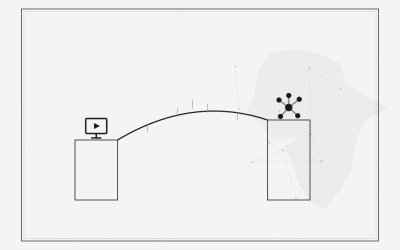
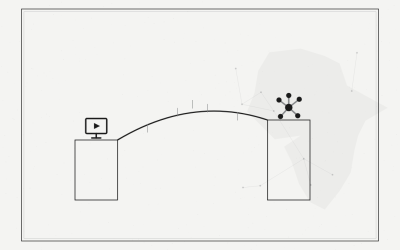
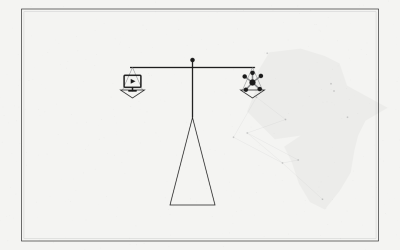
Every camera offers the same bargain – a little safety for a little privacy. The terms are rarely written down.
Every surveillance camera offers a citizen the same bargain: a measure of safety in exchange for a measure of privacy, on terms almost never written down. Windhoek is now striking that bargain at scale, with FNB’s N$569,202 contribution toward surveillance infrastructure under the city’s Smart City agenda adding cameras to public space faster than the rules governing them are being debated.
The trade can be worth taking. Cameras deter some crime and help resolve more, and in a city with real safety concerns that is not a trivial benefit. But a trade is only fair when both sides are stated, and the privacy half of this one is being decided by default rather than by design.
The bargain no one signs
Surveillance works on an implicit contract: the public accepts being watched in return for being safer. The trouble is that the contract is never presented for signature. Cameras appear, footage accumulates, and residents are enrolled in the arrangement without being asked or told the terms under which their movements are recorded.
That silence is the problem, not the cameras themselves. A city can reasonably choose more monitoring, but choosing it openly – with stated limits on retention, access and use – is different from letting the capability grow through sponsored tranches that each look too small to warrant a public conversation.
The surveillance bargain is fair only when its terms are actually stated.
Where the safety case is real
The argument for the cameras is not hollow. In areas with theft, vandalism or assault, visible monitoring can shift behaviour and give police evidence they would otherwise lack. Businesses gain a deterrent and a record; residents in troubled areas may feel a genuine improvement. Dismissing all of that would be as careless as ignoring the risks.
The FNB-funded deployment sits inside that legitimate case. Its purpose, as framed, is public safety and municipal management, which are proper municipal aims. The privacy question is not whether the cameras have value but whether their value is being weighed against their cost in the open.
The safety benefit is real – which is exactly why the trade deserves scrutiny.
The data outlasts the crime
A camera solves a present problem but creates a lasting one: a stream of data about ordinary, innocent movement that persists long after any incident. Who stores it, for how long, who may request it, and what stops it being used for purposes never intended are the questions that decide whether surveillance stays proportionate or drifts.
Those questions are rarely settled at installation, because the hardware is concrete and the governance is abstract. Yet the governance is where the real trade-off lives. A camera without clear retention and access rules is not a safety tool with a privacy cost; it is an open-ended capability waiting for a use case.
Footage of the innocent outlives the crime the camera was installed to catch.
Deciding before the network grows
The moment to set the terms is early, while the network is still small. Once a control room, its staff and its habits exist, rolling anything back becomes far harder, and each new sponsored camera is easier to add than the last. Windhoek is at the stage where rules can still shape the system rather than chase it.
For consumers and residents, the practical ask is modest: published policies on what is recorded, how long it is kept and who can see it. That does not stop the cameras; it makes the bargain honest. The alternative is a surveillance network whose terms are only discovered when someone objects to how the footage was used.
Privacy rules written before the network grows are the only ones that bind it.
For a Windhoek resident or business, the city’s Smart City cameras offer a real safety benefit and an unstated privacy cost. The decision the deployment forces is whether to demand the terms of the trade now – retention limits, access rules, stated purpose – while the network is small enough to govern, or to accept a bargain whose price is only revealed later.
Sources: FNB contributes to Windhoek surveillance infrastructure (Nampa); City of Windhoek