By Dhiladhila Magazine · Issue 01
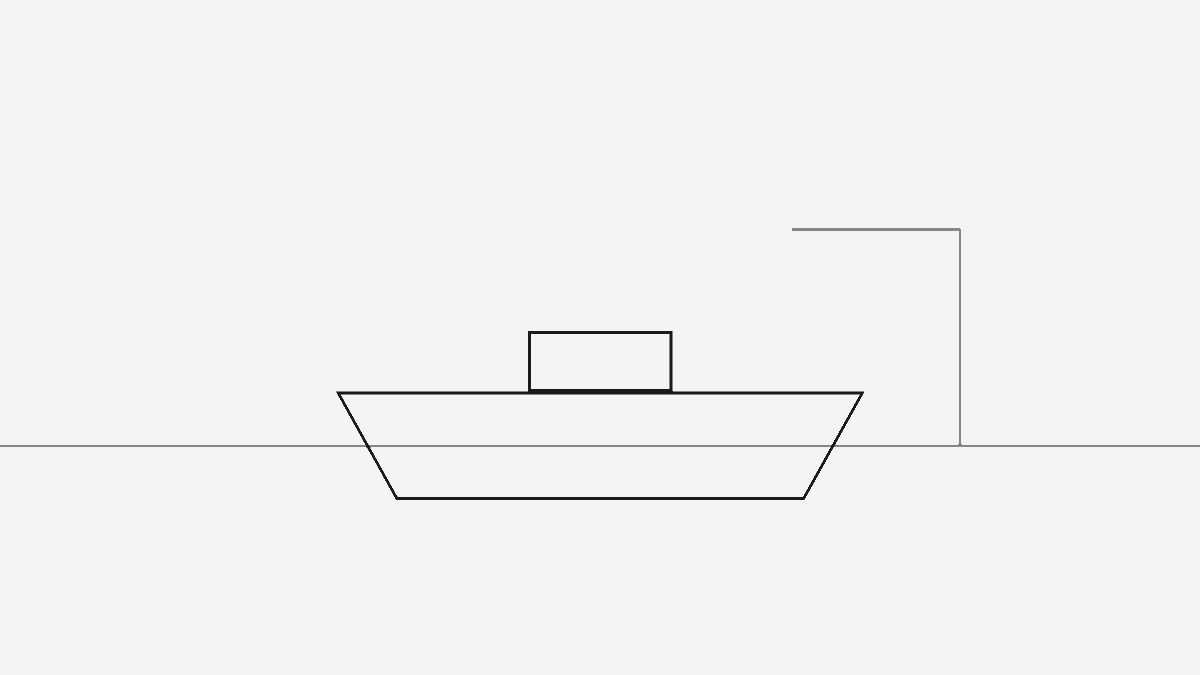
The town has no separate cruise terminal. The ship that carries sightseers docks where the container giants do.
The MSC Ellen berthed at Walvis Bay on 11 February 2026 as an industrial event: a 347-metre container ship, more than 8,200 boxes, a port proving it can handle vessels of this scale. A short distance away, the same lagoon that laps the terminal holds one of Southern Africa’s great flamingo gatherings.
That proximity is the point. Walvis Bay is at once a working deep-water port and a leisure coast of birdlife, marine tours and desert dunes, and the two identities share a single harbour rather than sitting in separate zones behind a fence.
One harbour, two economies
The town has no dedicated cruise terminal. Cruise ships dock at the commercial port near the town centre, so a visitor stepping off a liner walks through a working cargo harbour to reach the waterfront. The MSC Sinfonia has called here in the same water the MSC Ellen now occupies.
That shared use is unusual and telling. Most ports keep their leisure and cargo functions apart; Walvis Bay runs them through the same basin, which means the deep berths that draw container ships are the very asset that lands cruise passengers.
The depth that suits a freighter is the depth that lands a cruise ship.
The lagoon does the marketing
The Walvis Bay Lagoon is one of the most important bird areas in Southern Africa, drawing large flocks of flamingos, pelicans and migratory waders to its shallows. It is the single feature that turns an industrial town into a destination, and it sits directly beside the port.
Marine tours from the waterfront take visitors to Cape fur seals, dolphins and, in season, whales, while kayaking runs out to the seal colony at Pelican Point. None of it is far from the cranes, and all of it depends on the same sheltered bay that shelters the ships.
The bay that shelters the ships also stages the wildlife that sells the town.
The waterfront as the meeting point
The Waterfront, set between harbour and lagoon, is where the two economies meet: seafood restaurants, tour operators and the Raft Restaurant built on stilts in the lagoon, all trading on a view of the working port. Nearby, the dunes of Sandwich Harbour and the 380-metre Dune 7 pull visitors inland from the coast.
For the leisure trade, the port is scenery and infrastructure at once. The ships are part of the spectacle, and the same quays that load containers land the cruise passengers who fill the restaurants and book the marine tours.
Here the industrial view is not a blemish on the leisure economy but part of its draw.
The culture-and-leisure read
For a tourism operator or a hospitality investor, the Ellen’s call is a reminder that Walvis Bay’s leisure economy is built on the same harbour as its cargo business, not in spite of it. Bigger ship calls mean a busier, more prominent port, and the town’s identity absorbs both without much friction.
The risk is congestion. A harbour that grows its container traffic must still leave room for the cruise calls, marine tours and birdlife that give the town its second income, because the two uses compete for the same water and the same quays.
The town thrives while the working port and the leisure coast keep sharing the bay.
For anyone building a hospitality or tourism business on this coast, the signal in the MSC Ellen is that Walvis Bay will keep growing as a working port and its leisure economy will keep riding on the same water. The decision is whether to treat the industrial harbour as a nuisance to screen off or, as the waterfront already does, as part of what visitors come to see.
Sources: The Namibian; Tourism in Walvis Bay (Walvis Bay Namibia); Cruise port focus: Walvis Bay (Cruise Arabia & Africa)